

Saint Frederick
Feastday: February 4
Hearing the voice of St. Peter the Apostle, “Behold, we have left all things, and followed Jesus; and he promised in return a hundredfold. Go therefore and do likewise,” Frederick judged that the divine will should be preferred to his own; namely, that he ought to live with others according to the canonical institution, with whom he might be one heart and one mind…(Vita of St. Frederick, 10)
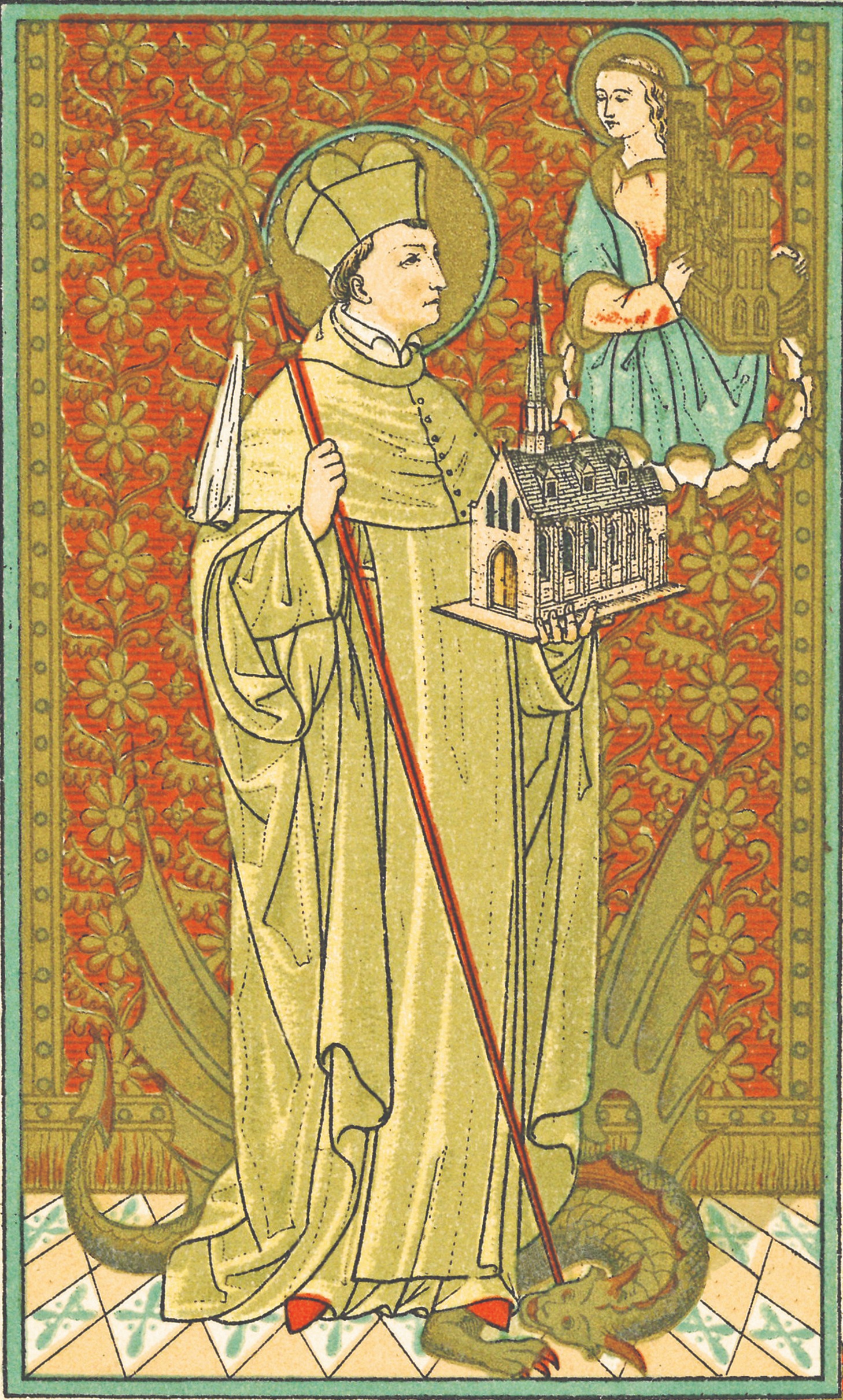
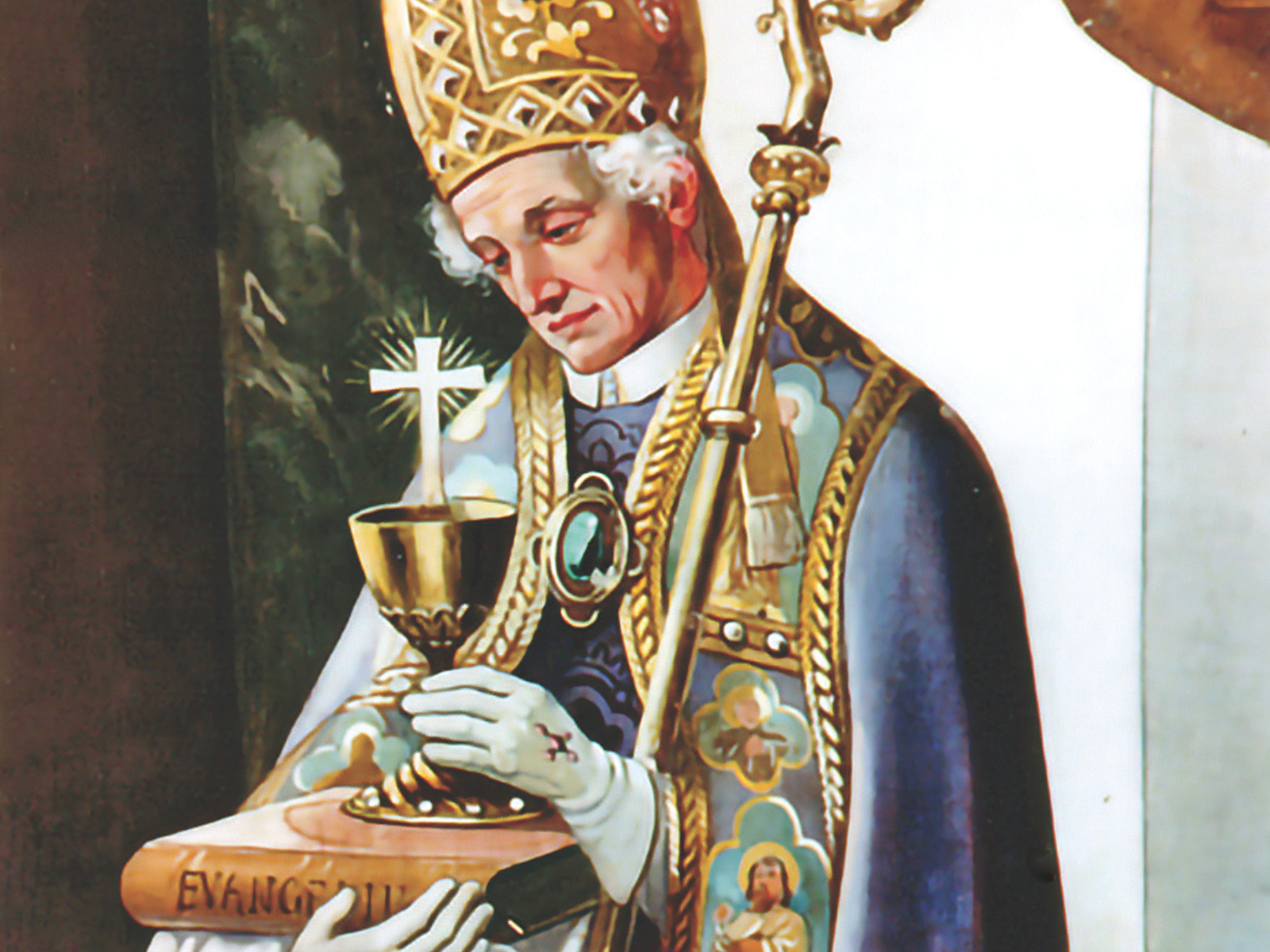
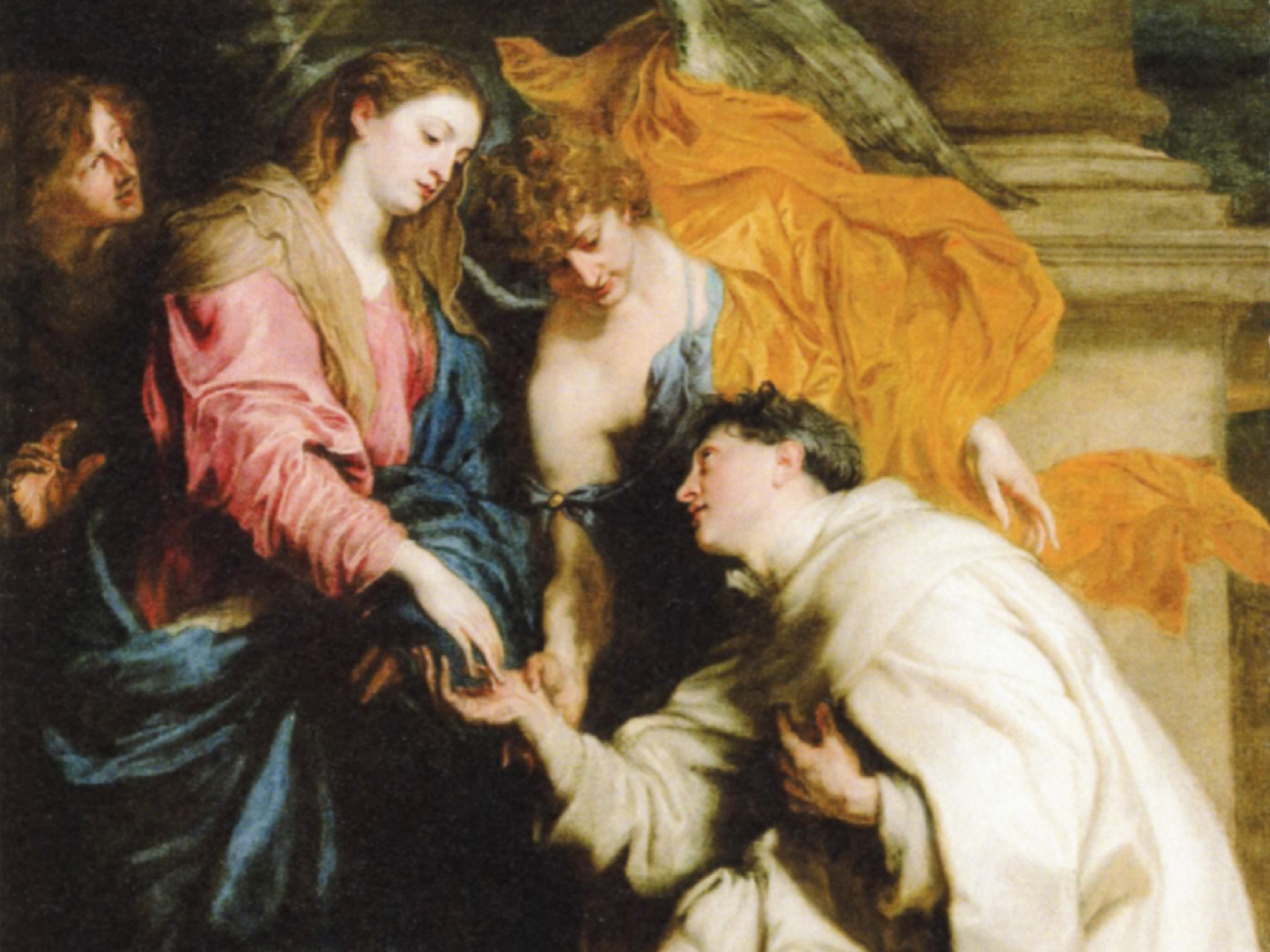
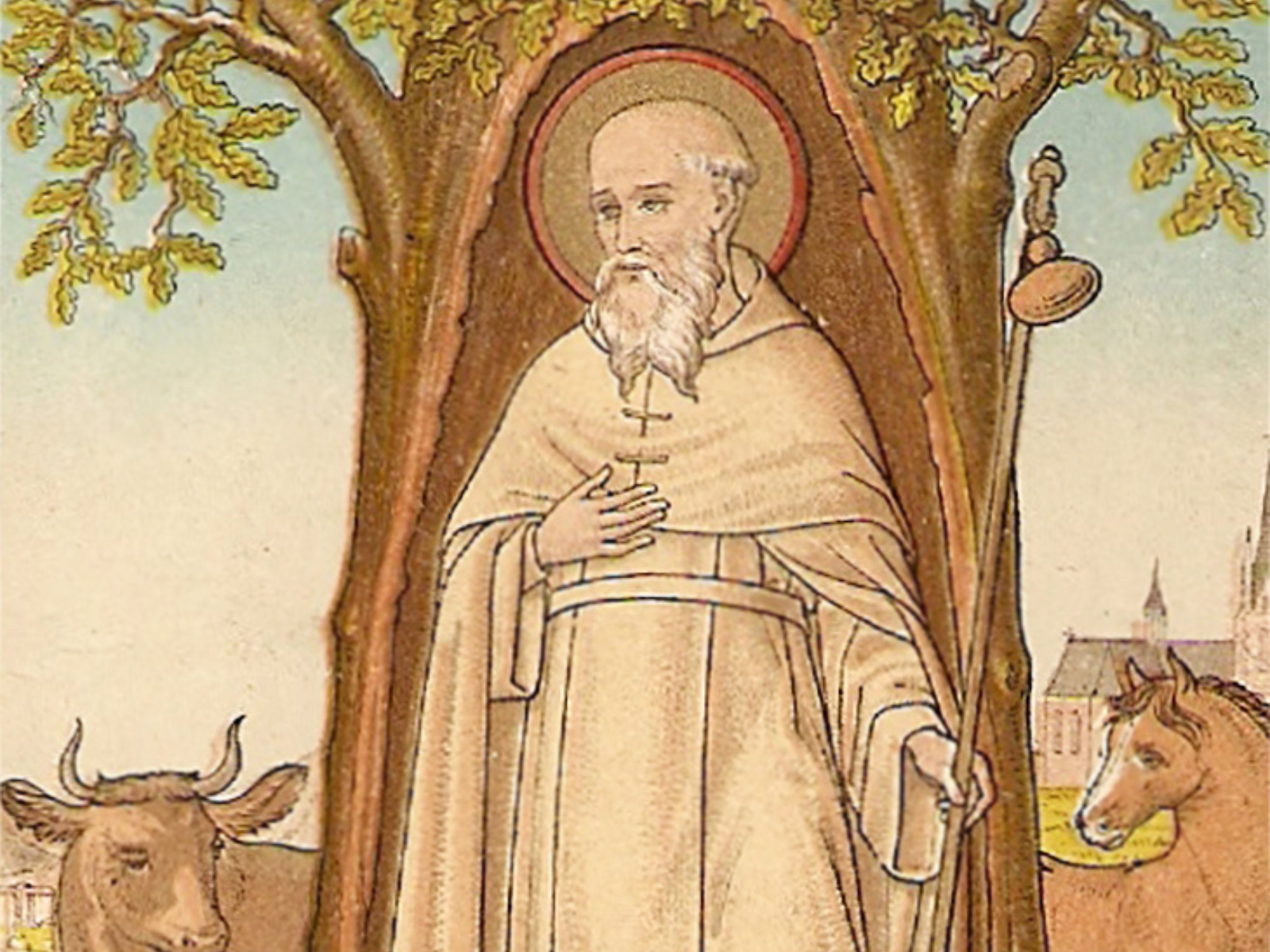
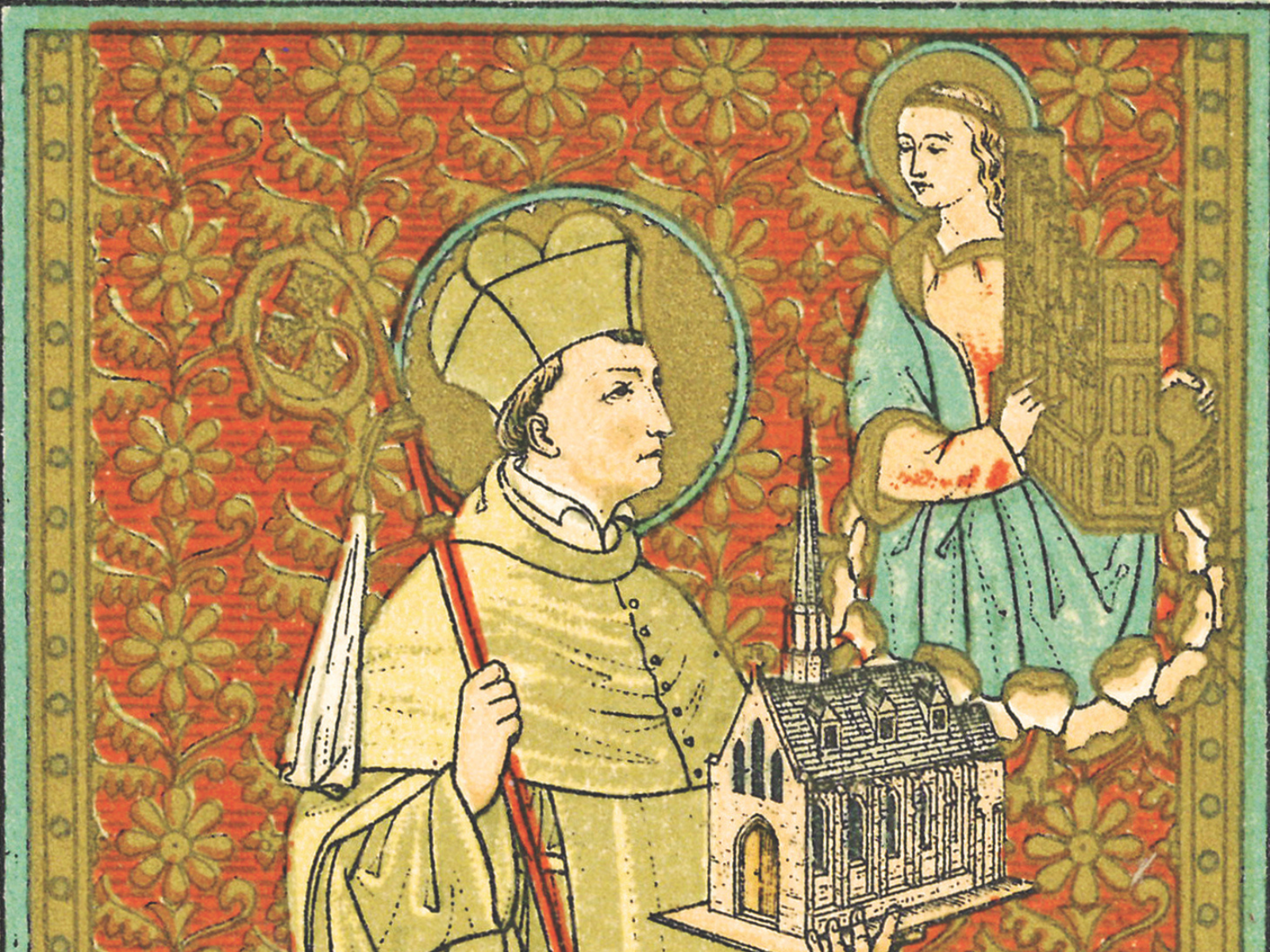
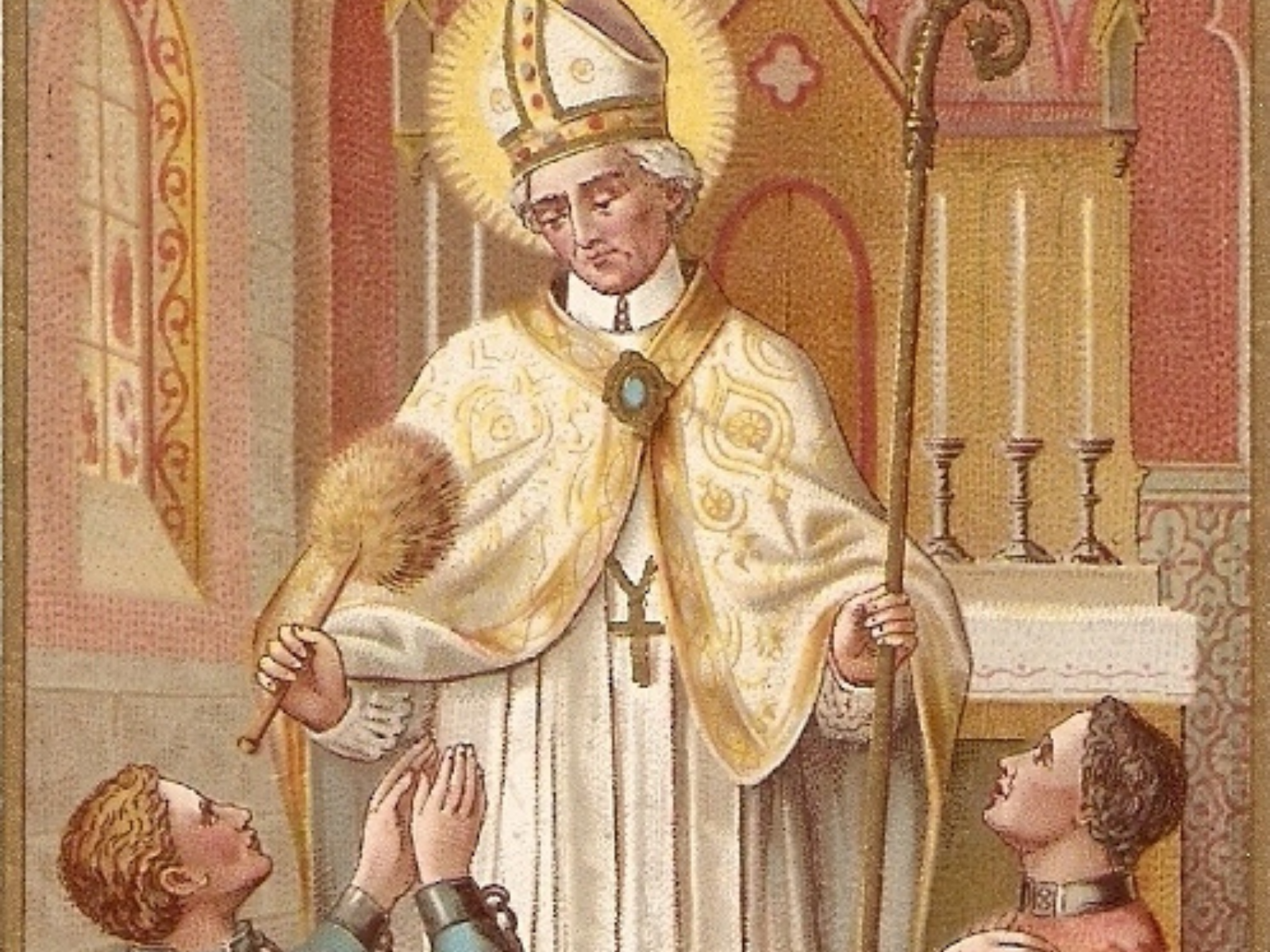
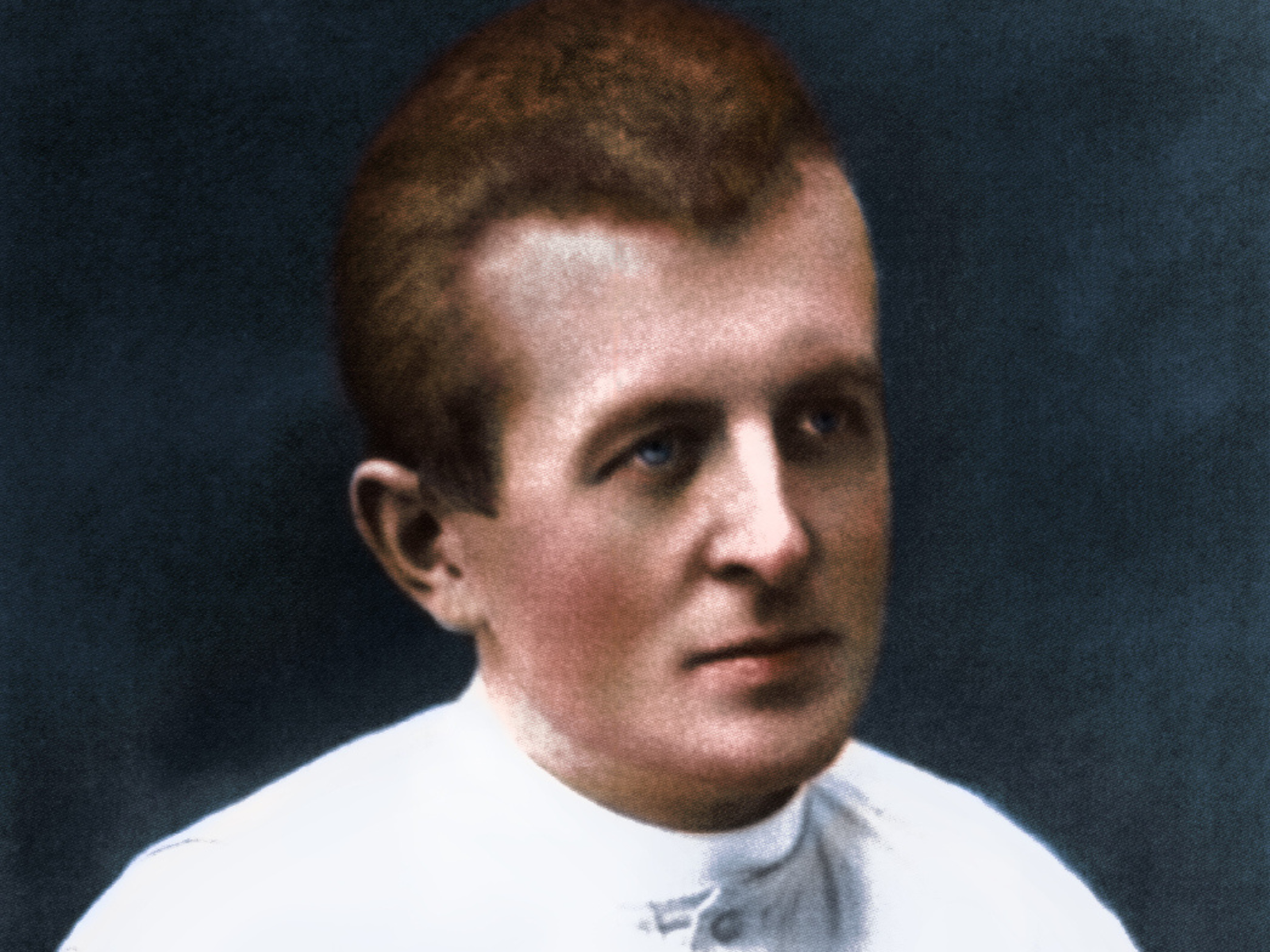
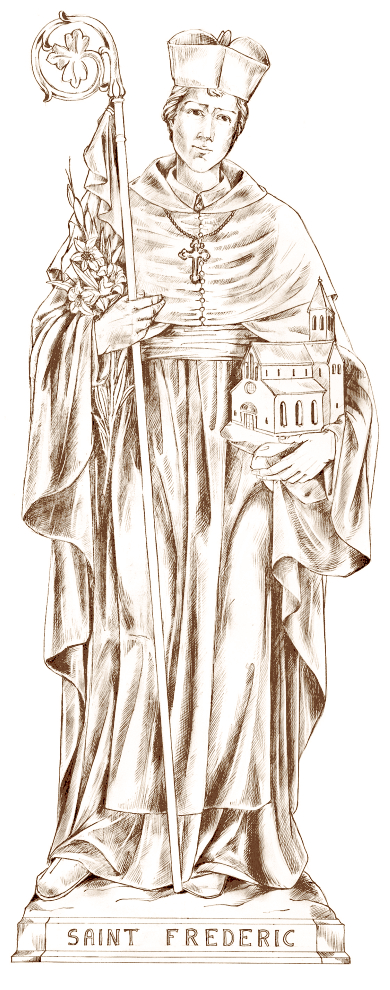 Frederick was born in Friesland in the modern-day Netherlands and, no doubt, the piety of his widowed mother bore fruit in her son’s vocation. Frederick was a shepherd boy, not well-off materially, but rich in gifts of nature and grace. He had a special devotion to the Blessed Virgin, modeling himself on the beloved disciple, St. John, and also took for his patroness the martyr, St. Cecilia. As a priest, Frederick became a devoted pastor in his home parish of Hallum, living a penitential life and showing a special love for the poor. In a vision, St. Peter invited him to live the apostolic life, which led Frederick to desire to become a Norbertine.
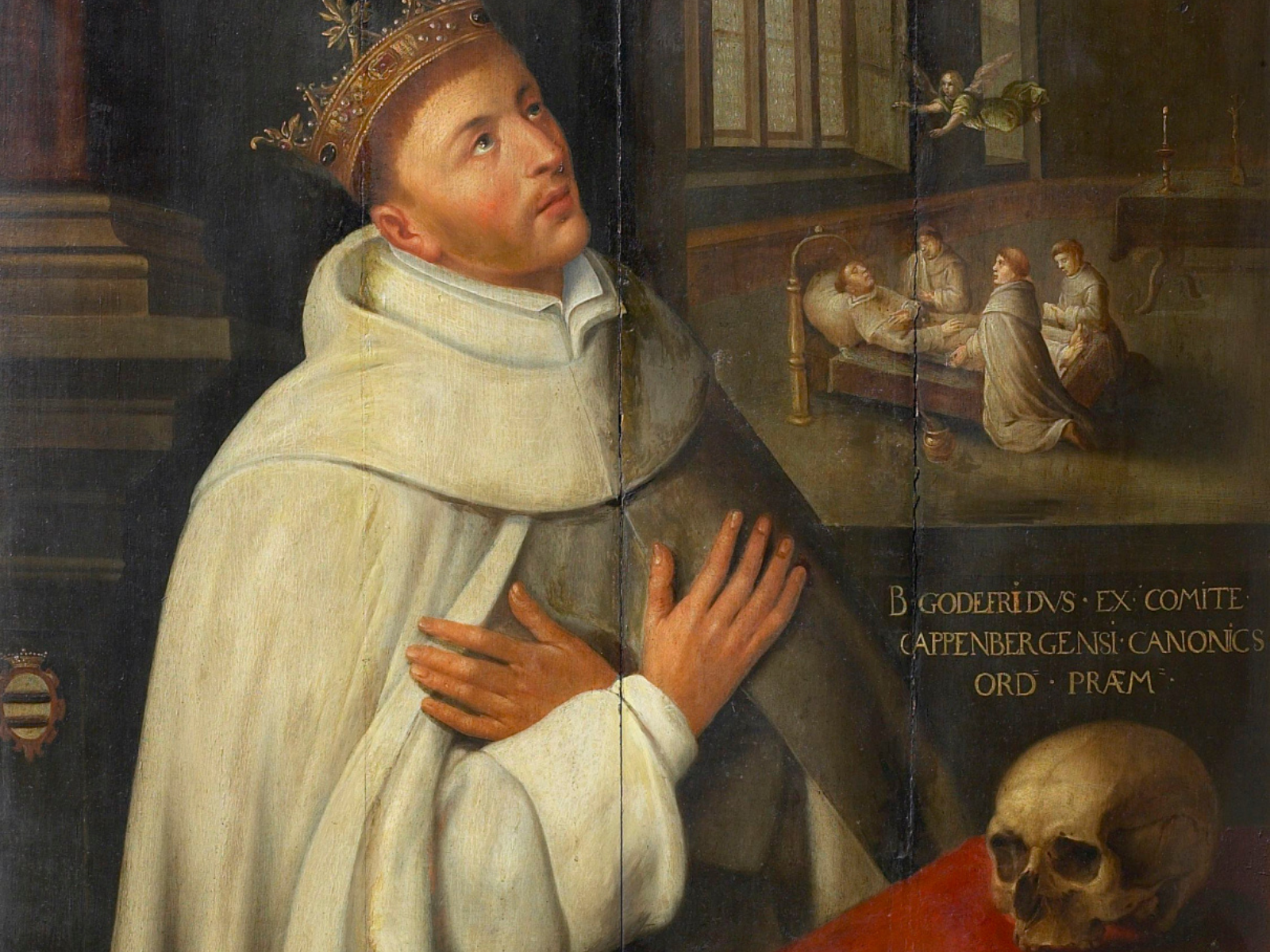
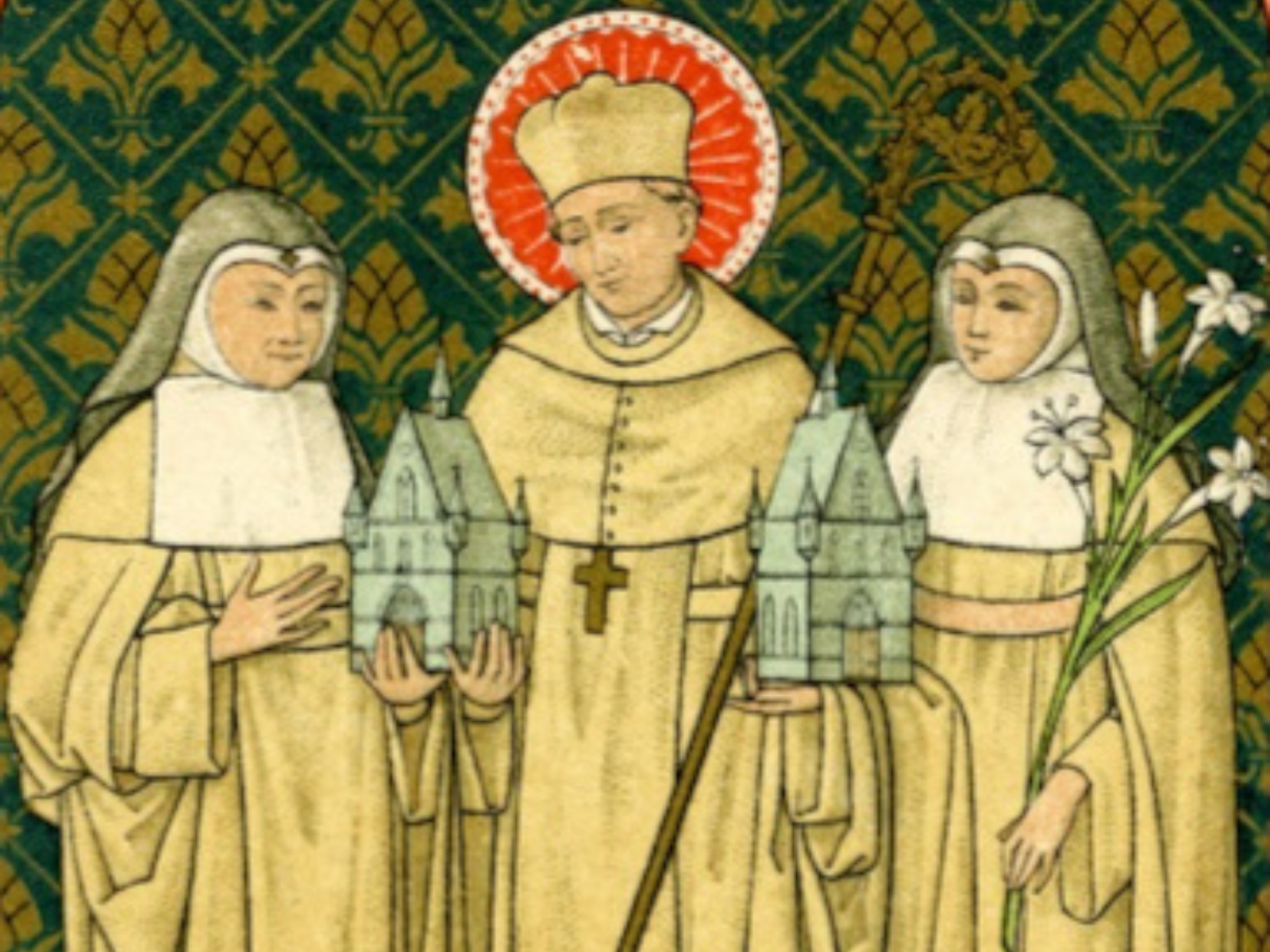
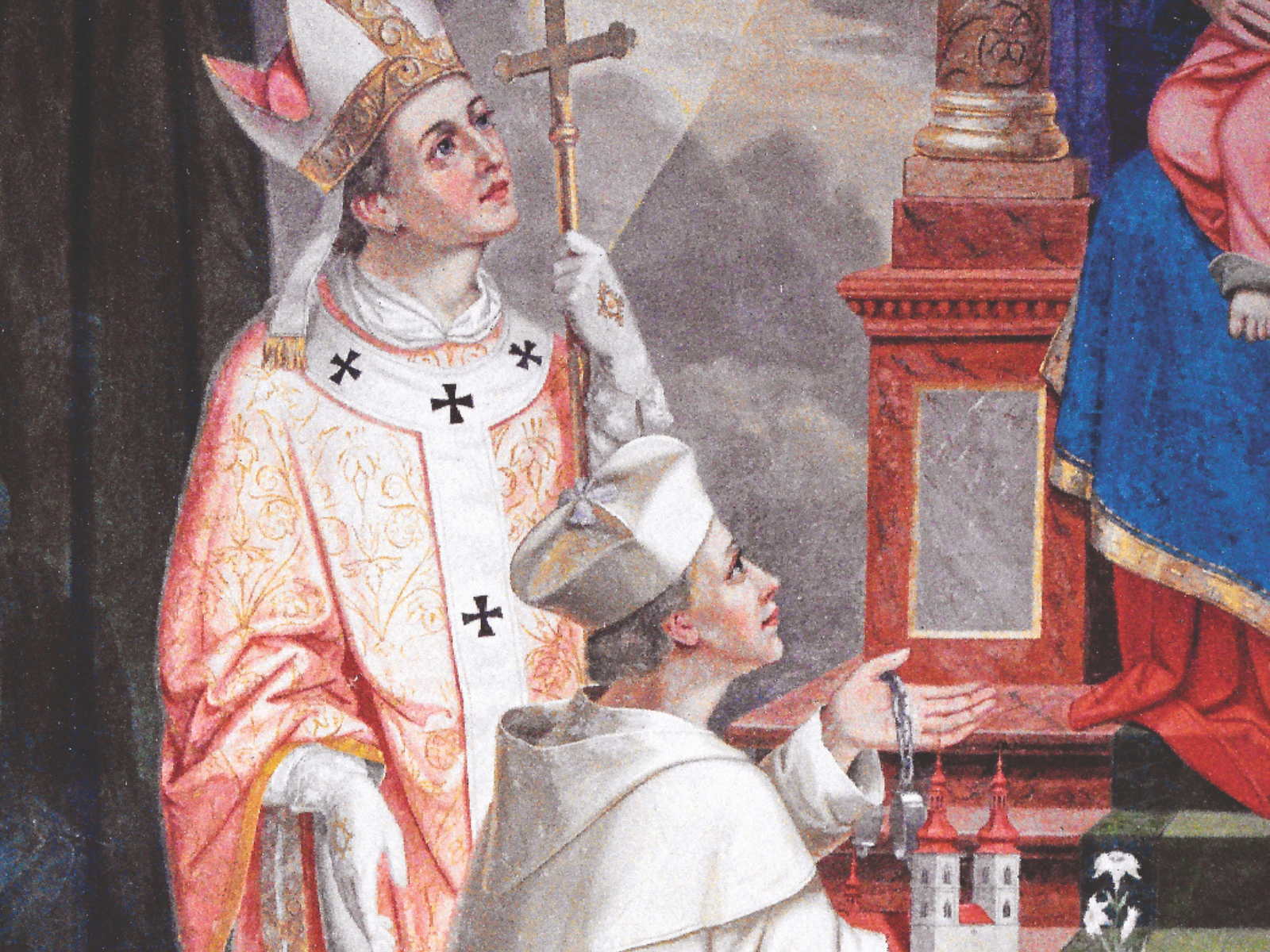
Prayer for the holy souls in Purgatory has been an integral part of Norbertine life since the beginning of our Order, and St. Frederick is a special witness to this devotion, becoming a Norbertine after his mother’s death and offering himself for the repose of her soul. After making his novitiate at the Dutch Abbey of Marienweerde, Frederick gathered companions to found, in 1163, a new abbey. In keeping with the Norbertine tradition of placing each community under the special protection of Our Lady, together with another saint, he named it Mariengaarde (“Mary’s Garden”) and entrusted it to St. John. Attached to the abbey was a hospital and a renowned seminary school.
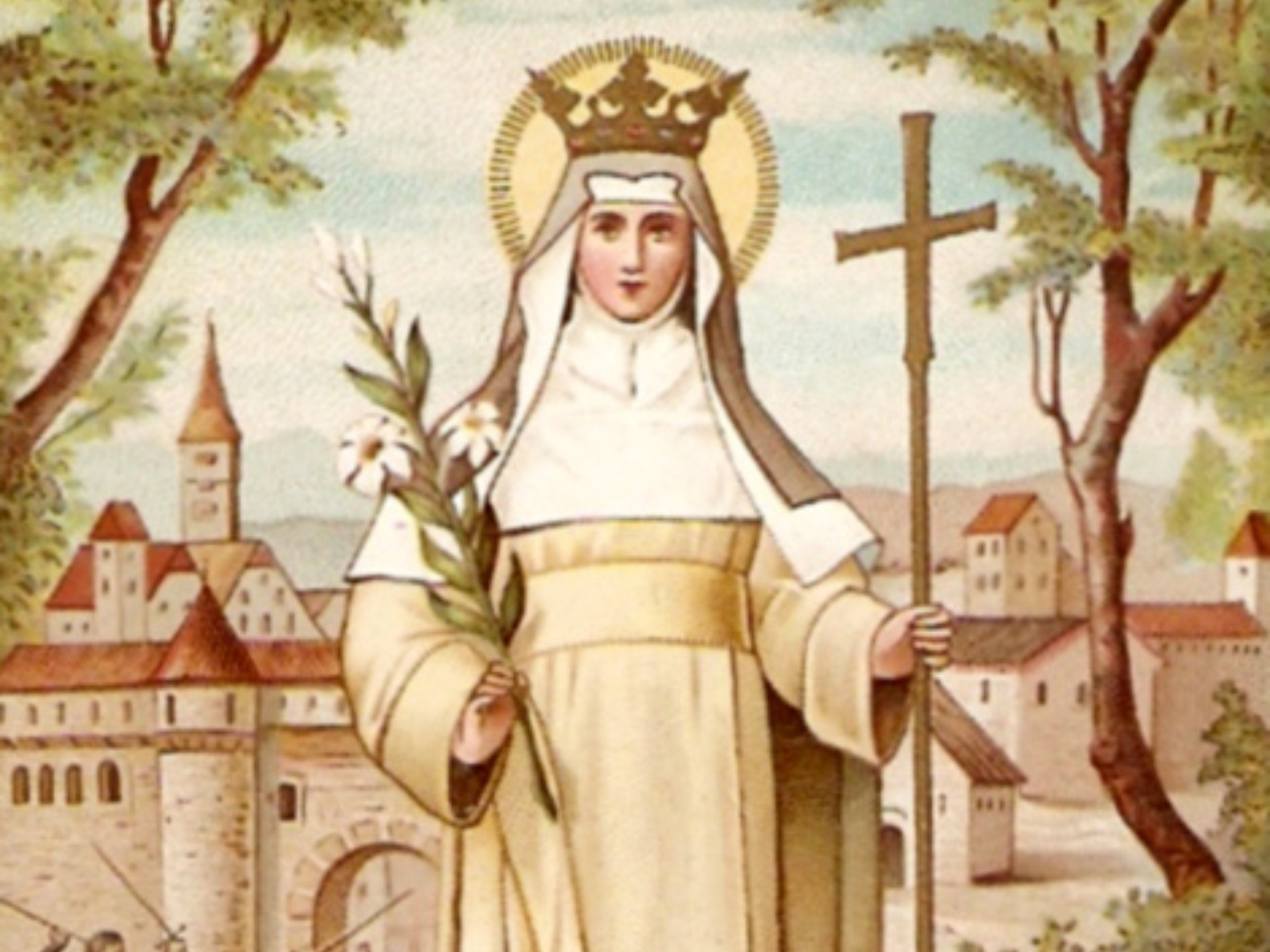
Women also flocked to him, and he built a monastery for them called Bethlehem. Frederick took special care to foster the Norbertine life of these canonesses, ensuring both their sacramental life and their education in Latin and chant, and his biographer praises the canonesses’ fidelity to the apostolic life. He also remained pastor of Hallum.
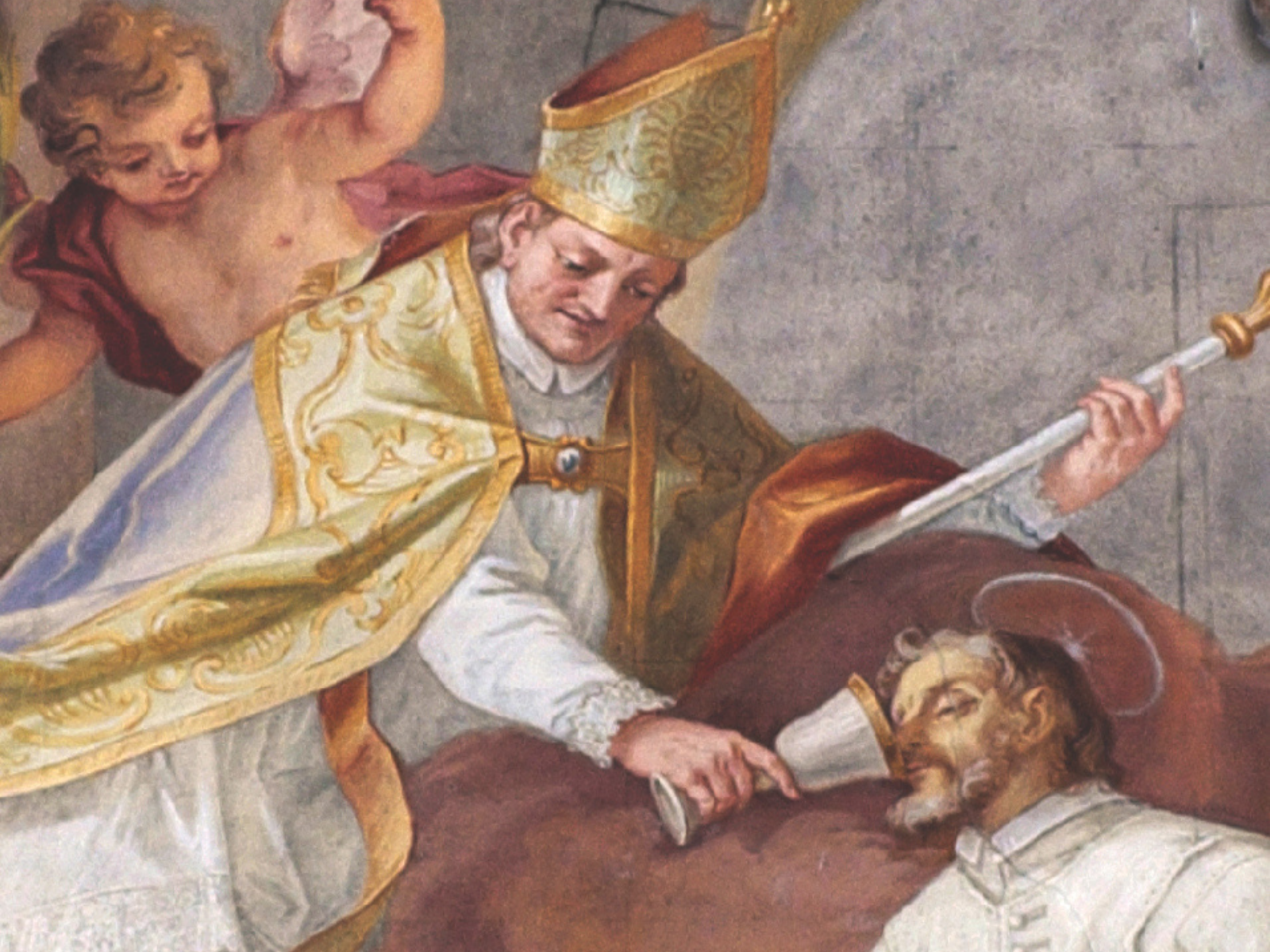
In 1175, Frederick fell sick and, after celebrating his last Mass – a votive of the Blessed Virgin – in the same church in Hallum where he had said his first, he passed to the Lord. Both the poor and the wealthy, religious and lay, mourned him as a wonderful father. This well-earned devotion to Frederick is attested by the many recorded miracles granted during his life and at his tomb.
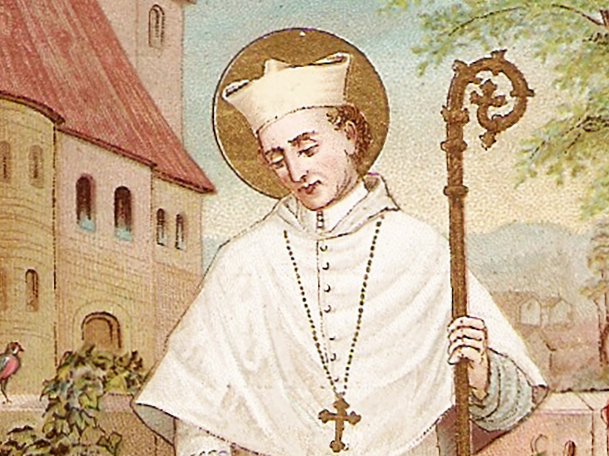
(Saint drawings courtesy of Saint Norbert Abbey, De Pere, Wisconsin.)

"Grant, we beseech You, Almighty God, that poor in spirit in the example of Your abbot St. Frederick, we may imitate Him who handed Himself over for the salvation of the world: Jesus Christ, Your Son, Who lives and reigns with You in the unity of the Holy Spirit, one God forever and ever. Amen."
– Prayer in honor of St. Frederick